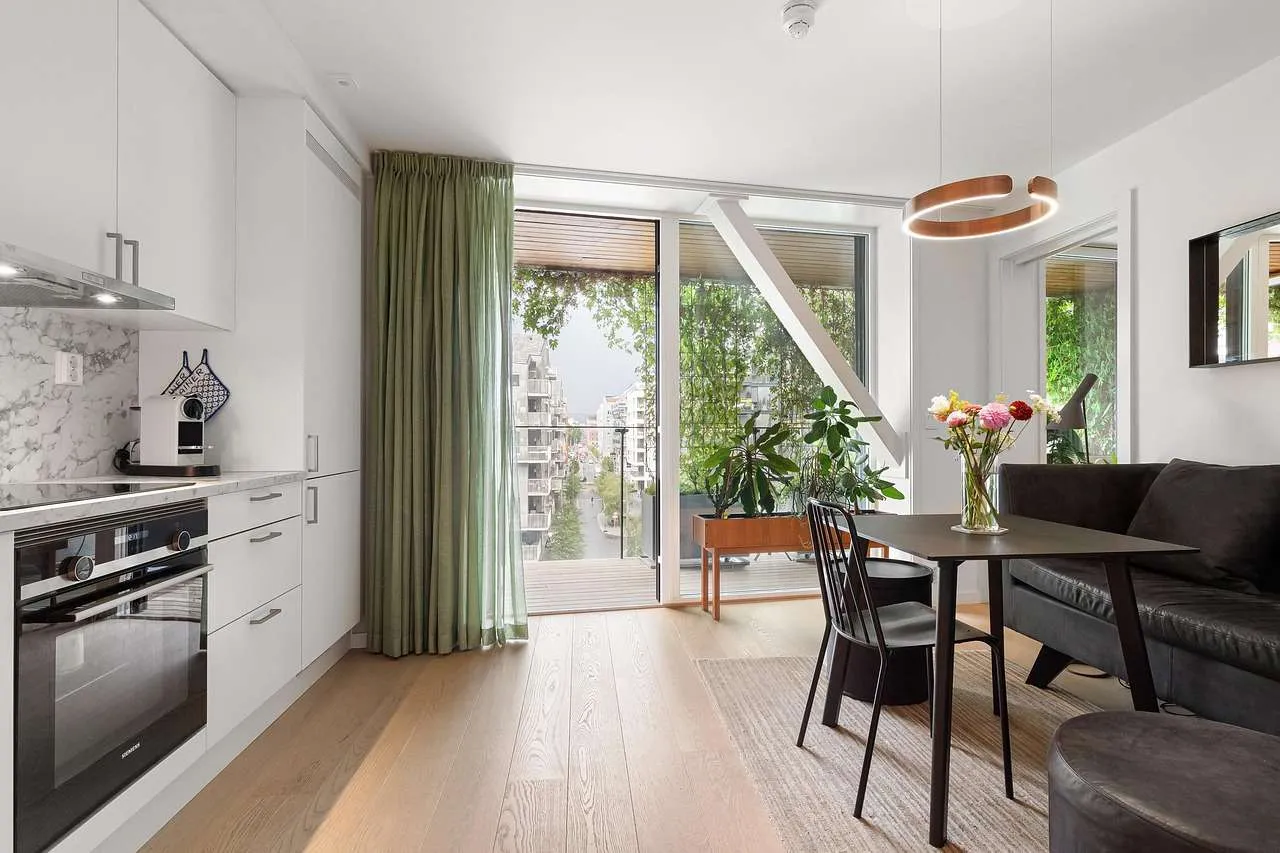
Home Window Tinting: A Practical Guide
Home window tinting is a practical upgrade that enhances comfort, reduces energy use, and adds privacy without sacrificing daylight. By choosing the right tint and working with a qualified installer, homeowners can balance aesthetics, performance, and budget while complying with local rules. This guide explains what home window tinting is, the main tint types, how to choose the best option for your climate and home, and what to expect during installation.
What is home window tinting
Residential window tinting involves applying a thin film to the interior surface of glass panes. The film can reflect, absorb, or filter sunlight to reduce heat gain, block harmful UV rays, and minimize glare. Modern tint films are designed to maintain natural light while improving energy efficiency, protecting furnishings, and enhancing privacy. While some homeowners attempt DIY tinting, most prefer professional installation to ensure even coverage, proper adhesion, and a warranty.
Benefits of home window tinting
Tinted windows offer several advantages beyond appearance. The most common benefits include lower cooling costs in hot seasons, protection against UV damage to skin and furnishings, reduced glare for TVs and computer screens, improved privacy during the day, and added safety by holding shattered glass in place in the event of impact. In energy-conscious homes, tinting can contribute to a smaller carbon footprint and more consistent indoor temperatures, reducing the load on air conditioning systems.
Types of residential window tint
Home tint films come in several formulations, each with distinct performance profiles. Understanding the options helps you pick a film that matches climate, orientation, and budget.
Dyed tint
Dyed films are the most budget-friendly option. They reduce glare and offer a deeper shade, enhancing privacy. However, dyed films can fade over time and may not provide the highest heat rejection or UV protection compared with more advanced films.
Metalized tint
Metalized films layer metal particles to reflect a portion of solar energy. They provide strong heat rejection and glare control but can interfere with certain electronic signals and may show a visible bluish or green tint. Professional installation helps minimize any edge issues.
Ceramic tint
Ceramic films are among the most advanced and durable options. They offer excellent heat rejection, high UV protection, minimal color shift, and good clarity. Ceramic tints typically maintain performance over time and are less prone to interference with electronics.
Carbon tint
Carbon films absorb heat rather than reflect it, delivering a darker appearance with solid heat rejection. They resist staining and fading and often maintain a neutral or slightly gray tone that remains consistent over time.
Laminated tint
Laminated films combine a protective interlayer with the tint, offering added safety by helping hold glass together if broken. They provide solid UV protection and can be used in security-focused applications without sacrificing daylight transmission.
Choosing the right tint for your home
Selecting the best tint requires weighing climate, room function, window orientation, and appearance goals. Consider the following factors:
- Climate and heat load: In hot climates, seek higher heat rejection values to reduce cooling needs.
- Visible light transmission VLT: Higher VLTs allow more natural light but offer less privacy and lower shading; lower VLTs reduce light more but can make interiors feel darker.
- Privacy needs: Daytime privacy is typical with darker tints; for night privacy, consider films paired with other window coverings.
- Glass type and frame: Double or triple-pane windows respond differently to tint films; consult the manufacturer for compatibility.
- Regulations and warranties: Some jurisdictions regulate window tint darkness, especially on street-facing areas. Always verify local rules and check installer warranties and film warranties.
Professional installation versus DIY
Professional installation ensures even coverage, proper edge sealing, and a warranty on both film and labor. Installers use squeegees, knives, and cleaning solutions designed to prevent bubbles, dust, or edge peeling. DIY tinting can be risky for large or multi-pane windows and may void manufacturer warranties if not done correctly. If you choose a pro, ask about licensing, brand certifications, and aftercare guidelines to protect your investment.
Cost and return on investment
Costs vary by film type, window size, and installation complexity. Typical residential tinting ranges from a modest upfront investment for dyed films to a premium price for ceramic or laminated options. While ceramic and laminated films cost more initially, they often deliver greater energy savings, longer durability, and stronger UV protection, potentially reducing cooling costs and furniture fading over time. When evaluating ROI, consider energy bills, furniture protection, and enhanced comfort, as well as any potential increases in property value tied to modernized glazing.
Comparison table of common tint types
| Tint Type | Typical VLT | UV Protection | Pros | Cons | Best For |
|---|---|---|---|---|---|
| Dyed | 35–60% | Good | Low cost, color fill | Fades, less durable | Budget upgrades |
| Metalized | 5–60% | Excellent | Strong heat rejection | Possible electronics interference | Heat-heavy zones |
| Ceramic | 25–50% | Excellent | High heat rejection, clear view | Higher upfront cost | Premium performance |
| Carbon | 25–60% | Excellent | Dark shade with neutral tone | Medium cost | Balanced aesthetics |
| Laminated | 25–40% | Excellent | Safety and UV protection | Highest cost | Security and safety focused |
Maintenance and care
To extend film life, clean with a soft microfiber cloth and a mild soap solution. Avoid abrasive cleaners or ammonia-based products that can degrade film over time. Periodic checks for edge lift or peeling help catch issues early, allowing timely repairs by a professional.
As you plan, obtain multiple quotes, review sample films, and request a written warranty detailing film coverage and labor terms. Look for installers who can share case studies or photos of previous residential tint projects, which strengthens trust and demonstrates a track record.
Conclusion: Home window tinting is a multi-faceted upgrade that blends comfort, energy efficiency, privacy, and protection from UV exposure. By selecting the appropriate film type, aligning with climate and regulations, and choosing a skilled installer, you can maximize long-term savings and enhance your living space while maintaining a bright, inviting interior. Summary: Home window tinting offers tangible benefits across energy, aesthetics, and safety, with options ranging from affordable dyed films to high-performance ceramic and laminated coatings; a thoughtful choice and professional installation deliver lasting value and peace of mind.